From Casual to Formal: Your Complete Guide to Finding the Perfect Abaya
Bakhtiyar KhanShare
The abaya is a profound statement of individuality, grace, and contemporary modesty; it is much more than just a basic traditional garment. However, it can easily become overwhelming to browse online or visit a store since modest fashion continues to develop globally. With the wide range of cuts, draperies, and materials available today, knowing how to match the garment to the context is the key to looking effortlessly polished. A balance between material weight, structural design, and silhouette is necessary to find the ideal abaya. You may easily create a diverse wardrobe that effortlessly moves from informal mornings to formal evenings by grasping the principles of abaya styles and fabric qualities.
1: Understanding the Silhouettes: How Many Types of Abayas Are There?
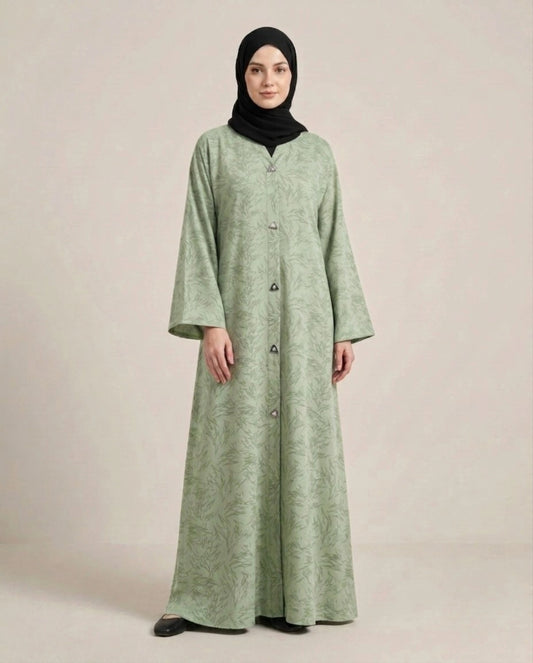
To create a functional modest wardrobe, you must first become familiar with the key silhouettes that define contemporary abaya design. While there are numerous custom variations, abayas are generally classified into four types: the Closed Abaya, which has a traditional, slip-on dress fit; the Open Abaya, which has a highly versatile, cardigan-like outer layer; the Kimono/Butterfly Abaya, which has wide, dramatic sleeves and a fluid drape; and the Two-Piece Abaya Set, which includes a matching inner slip and outer wrap. Knowing the different structural types allows you to choose the best base for your day. A closed abaya, for example, is ideal for running errands on the go, whilst an open abaya can be worn over tailored trousers or evening gowns to add depth and elegance.
2. The Occasion's Texture: What Kind of Fabric Is Appropriate?
Once you've decided on a silhouette, the textile you pick will determine if the abaya appears appropriate for the occasion. For everyday use, informal outings, or warm weather, choose breathable, durable materials such as linen, premium cotton, and high-quality crepe. These materials don't wrinkle and provide all-day comfort. Formal occasions, such as nighttime galas and Eid festivities, necessitate the use of expensive textiles with a refined drape. For these high-profile occasions, look for pure silk, premium satin, organza, or Nidha—a high-quality, silky fabric that is common in luxury abaya design. A simple rule of thumb is that lightweight and matte textiles are appropriate for the day, but rich sheen, heavier weights, and detailed embroidery are appropriate for the evening.
3: Curating Your Wardrobe: How to Find Expert Advice for Every Event
Achieving a faultless look for any occasion requires learning how to dynamically combine these aspects. An open, embroidered black Nidha abaya over a silk slip dress adds instant regal style to formal situations. A neutral-toned, structured crepe abaya in a coat-style design imitates the professionalism of a blazer while remaining perfectly modest. When looking for inspiration, consider e-commerce style lookbooks, professional modest fashion advisers, and brand legacy blogs. True expert advise emphasizes balance: if your abaya includes rich embroidery or embellishments, keep your hijab and accessories simple to let the quality of the garment stand out.
Conclusion
Choosing the ideal abaya requires deliberate decisions about cut, fabric, and style rather than collecting dozens of various pieces. You may make sure you are ready for any invitation by investing in a few basic silhouettes, such as a rich Nidha or satin open abaya for formal evenings and a breathable cotton closed abaya for everyday duties. Remember that great style always starts with high-quality fabrics and a confident fit, and let your clothing reflect your own sense of elegance.